
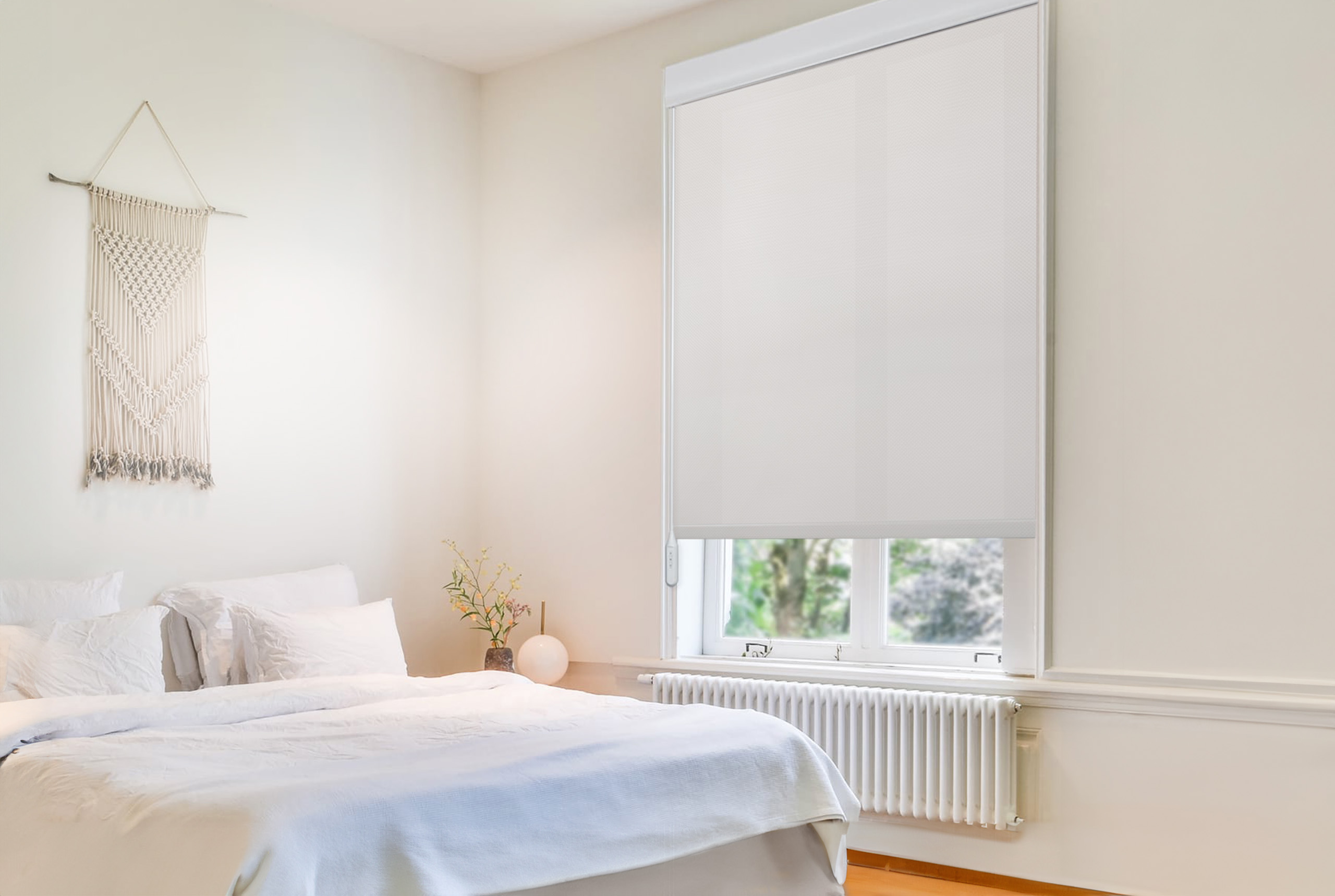
Choosing the Best Bedroom Blinds for a Restful Night
If you’re a light sleeper, even small amounts of light can disrupt the quality of your sleep. The type of window covering you choose can make a real difference to how dark and comfortable your bedroom feels. Roller blinds and honeycomb blinds are two popular options, each with their own pros and cons. This comparison breaks down how they perform, so you can decide which is the better fit for your space.
Light Control and Blackout Capabilities
- Roller Blinds: Available in a range of fabrics, including blackout materials that can effectively prevent most external light from entering the room. However, light may still seep through the gaps at the sides unless side channels or pelmets are installed.
- Honeycomb Blinds: Also known as cellular blinds, these typically offer excellent light blocking when using blackout fabric. Their unique cellular structure can reduce light leakage, particularly when fitted snugly inside the window frame. Some models feature side tracks to further limit light seepage, making them especially suitable for light sleepers.
Insulation and Temperature Regulation
- Roller Blinds: Provide basic insulation, depending on the fabric thickness. They can reduce heat and cold to some extent but are less effective compared to honeycomb blinds. For enhanced thermal efficiency, thermal roller blinds are a great option.
- Honeycomb Blinds: Renowned for their insulating properties due to their cellular design, which traps air and helps regulate room temperature. This can contribute to a more comfortable sleeping environment, especially in climates with temperature extremes.
Noise Reduction
- Roller Blinds: Offer minimal noise reduction. Their uncomplicated design and materials do not significantly dampen external sounds, which may be an issue for light sleepers sensitive to noise.
- Honeycomb Blinds: The air pockets in honeycomb blinds can absorb sound, providing a moderate level of noise insulation. This feature can be beneficial for sleepers who are easily disturbed by outside noises.
Appearance and Style
- Roller Blinds: Offer a sleek, modern appearance and are available in a broad range of colours and patterns. They suit minimalist and contemporary interiors.
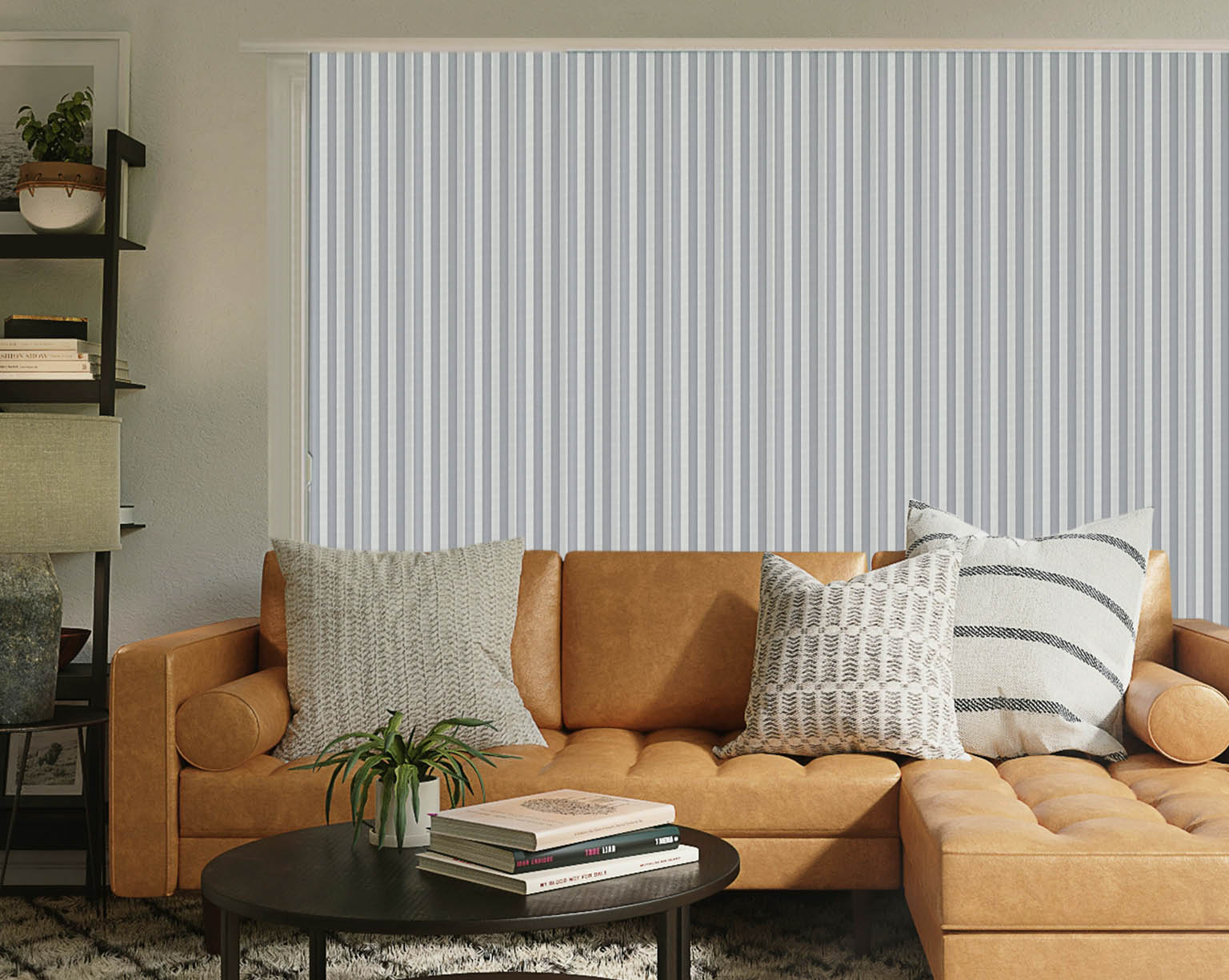
- Honeycomb Blinds: Feature a subtle, textured look and are available in assorted colours. Their appearance is more understated, blending well with different décor styles while providing a soft aesthetic.
Browse blind samples to find the right aesthetic.
Ease of Operation and Maintenance
- Roller Blinds: Simple to operate, often with chain, spring, or motorised mechanisms. Maintenance is straightforward, requiring occasional dusting or wiping with a damp cloth.
- Honeycomb Blinds: Also easy to use, with options for cordless or motorised operation, an added safety feature for homes with children. Cleaning involves light vacuuming or gentle wiping, although deeper cleaning can be more challenging due to the cellular structure.
Cost Considerations
- Roller Blinds: Typically, more affordable, and widely available, making them a budget-friendly choice for most households.
- Honeycomb Blinds: More expensive due to their advanced design and superior insulation properties. However, the added benefits may justify the higher cost for light sleepers.
Key Differences Between Roller Blinds and Honeycomb Blinds
| Feature | Roller Blinds | Honeycomb Blinds |
| Light Blackout | Good (with blackout fabric), potential side gaps | Excellent (with blackout fabric and side tracks) |
| Insulation | Basic | Excellent |
| Noise Reduction | Minimal | Moderate |
| Style | Modern, varied | Subtle, textured |
| Ease of Use | Simple | Simple, cordless options |
| Maintenance | Easy | Moderate |
| Cost | Lower | Higher |
Better Sleep Starts with the Right Blinds
For light sleepers, honeycomb blinds do a great job of blocking light, improving insulation, and reducing outside noise than standard roller blinds. While they may come at a higher price, their performance in creating a restful sleeping environment is hard to match. Roller blinds are still a solid, affordable option, especially when paired with blackout fabrics or side channels. Ultimately, the right choice depends on your priorities regarding comfort, budget, and style.
Explore our range of honeycomb and roller blinds to find an option that suits your bedroom and how you sleep.